
Cooking with a good marinade can transform simple chicken into a flavorful dish that feels special. This versatile chicken marinade is perfect for weeknights when you want something satisfying, yet simple. It’s also a great option for gatherings or quiet weekends, as it complements many different cooking methods, from grilling to baking. The easy process leaves you free to focus on other parts of your meal while delivering delicious results. Let’s dive into making this practical and comforting chicken marinade.
Why You’ll Love This Best Chicken Marinade Grilled
This chicken marinade is both easy and reliable, promising juicy and tender results. The blend of ingredients creates a well-balanced flavor that enhances the chicken without overpowering it. It’s practical for everyday cooking, allowing you to stretch your meal options while enjoying comforting and delicious chicken dishes. You’ll appreciate how effortlessly this marinade can elevate your cooking.
Kitchen Tools You’ll Need
- Mixing bowl
- Whisk or fork
- Measuring cups
- Sealable bag or container
- Grill or baking dish (for cooking)
Ingredients
- 1/2 cup extra virgin olive oil (adds moisture and richness)
- 1/2 cup balsamic vinegar or other vinegar (brings acidity and brightness)
- 1/4 cup soy sauce (low sodium) (enhances umami flavor)
- 1/4 cup Worcestershire sauce (contributes savory depth)
- 1/8 cup lemon juice (adds freshness and zest)
- 3/4 cup brown sugar (performs balancing sweetness)
- 2 teaspoons dried rosemary (provides earthy aroma)
- 2 tablespoons Dijon mustard or Spicy Brown mustard (adds tang and spice)
- 1 1/2 teaspoons salt (enhances overall flavor)
- 1 teaspoon ground black pepper (adds warmth)
- 2 teaspoons garlic powder (gives a savory note)
- 6 chicken breasts or 3.5 lb chicken (serves as your main protein)

How to Make Best Chicken Marinade Grilled
Step 1. Begin by gathering all your ingredients in a mixing bowl. Pour in the extra virgin olive oil, which adds moisture and a rich texture to the marinade. This step serves as the base for the marinade, creating a smooth consistency that will coat the chicken well.
Step 2. To the bowl, add the balsamic vinegar (or your chosen vinegar) along with the soy sauce. These elements introduce a pleasant acidity and enhance umami flavors. Whisk together until the liquids are well combined, noticing how the mixture starts to blend and take on a uniform appearance.
Step 3. Incorporate the Worcestershire sauce and lemon juice into the blend. Each adds distinct notes; Worcestershire offers savory depth while lemon juice brings a refreshing tang. Continue whisking until everything is evenly distributed, ensuring the flavors begin to meld together.
Step 4. Next, add the brown sugar to the mixture. This ingredient balances out the acidity and umami from the earlier components. Whisk thoroughly to dissolve the sugar, looking for a slightly thickened consistency that will nicely coat the chicken.
Step 5. Sprinkle in the dried rosemary, Dijon mustard, salt, ground black pepper, and garlic powder. Each of these ingredients contributes unique flavors and aroma, with the rosemary and mustard adding depth. Mix well until fully incorporated, observing the change in texture as it thickens slightly.
Step 6. Once your marinade is well combined, you can now add the chicken breasts. If you’re using whole pieces of chicken, ensure they’re well covered with the marinade. Transfer the chicken to a sealable bag or container; this allows the flavors to penetrate more effectively.
Step 7. Seal the bag or container, ensuring as much air as possible is removed. Allow the chicken to marinate. It’s best to let it sit for at least 30 minutes, but longer for a deeper flavor infusion. Look for the chicken to take on a darker color as it marinates, indicating that the flavors are being absorbed.
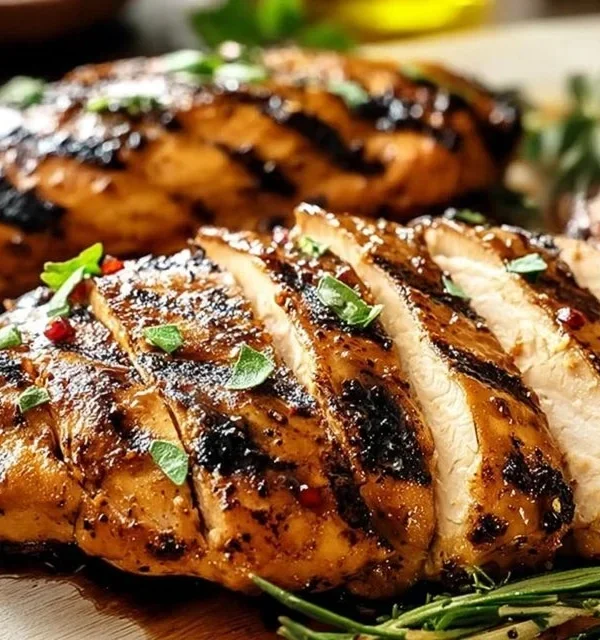
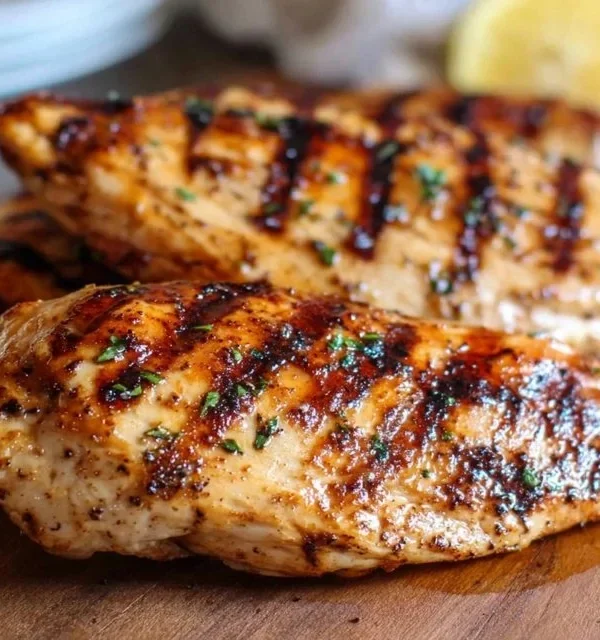
Step 8. After marinating, remove the chicken from the bag or container, allowing any excess marinade to drip off. It’s ready for the grill, oven, or whichever cooking method you prefer. Cook until the chicken is fully done; the edges will start to brown, and cutting into the chicken should show clear juices for perfect doneness.

Serving Suggestions
This chicken marinated with the best flavors makes for a versatile dish suitable for various meals. Serve it with a side of roasted vegetables for dinner or slice it up and toss it into a salad for lunch. It also works beautifully in a chicken sandwich or wrap, providing a satisfying base for family meals. Leftovers can be used in so many ways, like adding to pastas or grain bowls, making it a practical choice for meal prep.
Pro Tips for Best Results
- Ensure the chicken is evenly coated with the marinade for consistent flavor throughout.
- Marinating overnight can enhance flavor if you have the time.
- Don’t discard remaining marinade; consider simmering it to use as a sauce after cooking the chicken.
- If you’re grilling, allow the chicken to come to room temperature before grilling for even cooking.
- Use a meat thermometer to ensure the chicken reaches the right temperature for safety and perfect texture.
- Experiment with marinating times according to your desired flavor intensity; more time can mean bolder flavor.
Common Mistakes to Avoid
- Skipping the marinating process: Not marinating the chicken means missing out on maximizing flavor. Always let it sit to develop taste.
- Using high-sodium soy sauce: This can make the dish saltier than intended. Opt for low-sodium varieties to control saltiness.
- Marinating too long: Leaving chicken in marinade for more than 24 hours can lead to a mushy texture due to enzymes in some ingredients. Overnight is ideal.
- Overcooking the chicken: Stay mindful of cooking times to avoid dry chicken. Using a thermometer helps ensure it’s just right.
- Not letting the chicken come to room temperature before cooking: This can lead to uneven cooking. Allow it to sit out for about 20-30 minutes before cooking.
- Discarding the marinade without cooking: It can be used as a sauce by boiling it. This adds flavor and minimizes waste.
Variations & Substitutions
You can easily switch the flavor profile by using other vinegars like red wine or apple cider. For added spice, consider a dash of hot sauce or crushed red pepper flakes. If you want a different herb, try thyme or oregano instead of rosemary. Adjust mustard types to match your taste – honey mustard can add sweetness.
Storage & Reheating
Store any unused marinade in the refrigerator in a sealed container and use it within a week. Cooked chicken can be kept at room temperature briefly; otherwise, refrigerate for up to four days. If freezing, wrap the chicken well to prevent freezer burn and use it within three months. When reheating, do so gently in the oven or skillet to preserve moisture and texture.
Nutrition Information
- Calories: 320
- Total Fat: 14g
- Saturated Fat: 2g
- Carbohydrates: 20g
- Fiber: 0g
- Sugar: 16g
- Protein: 30g
- Sodium: 810mg
Frequently Asked Questions
Can I make this recipe ahead of time?
Yes, the marinade can be mixed and stored in the refrigerator ahead of time. It actually benefits from sitting to let the flavors meld, making it a convenient option for busy days.
How long does it last in the fridge?
Cooked chicken can last in the refrigerator for about four days. Unused marinade should also be stored in a sealed container and used within a week.
Can I freeze this recipe?
Certainly! Freeze the marinated chicken in an airtight container or bag. It will keep well for three months. Just remember to thaw it in the refrigerator before cooking it.
What can I substitute for one ingredient?
If you need to replace the balsamic vinegar, you can use red wine vinegar, which will provide a different but still pleasant flavor. Adjust the amount according to your taste.
Why didn’t my recipe turn out as expected?
Factors like not marinating long enough, using incorrect cooking times, or omitting key ingredients can lead to less flavorful chicken than anticipated. Be sure to follow the steps closely for best results.
Final Thoughts
This chicken marinade can take simple chicken and turn it into something special with minimal effort. It’s the kind of recipe that you’ll frequently return to, bringing comfort and flavor to many meals. With its easy preparation and rich taste, you can feel confident serving it to family or enjoying it in quiet moments at home. There’s a certain reassurance in knowing you can create something delicious with just a few ingredients and a bit of patience. Enjoy the process and the meal.

Chicken Marinade
Ingredients
For the Marinade
- 1/2 cup extra virgin olive oil adds moisture and richness
- 1/2 cup balsamic vinegar or other vinegar brings acidity and brightness
- 1/4 cup low sodium soy sauce enhances umami flavor
- 1/4 cup Worcestershire sauce contributes savory depth
- 1/8 cup lemon juice adds freshness and zest
- 3/4 cup brown sugar performs balancing sweetness
- 2 teaspoons dried rosemary provides earthy aroma
- 2 tablespoons Dijon mustard or Spicy Brown mustard adds tang and spice
- 1 1/2 teaspoons salt enhances overall flavor
- 1 teaspoon ground black pepper adds warmth
- 2 teaspoons garlic powder gives a savory note
- 6 pieces chicken breasts or 3.5 lb chicken serves as your main protein
Instructions
Preparation
- Gather all ingredients in a mixing bowl.
- Pour in the extra virgin olive oil.
- Add the balsamic vinegar and soy sauce, whisking until well combined.
- Incorporate Worcestershire sauce and lemon juice, whisking until evenly distributed.
- Add the brown sugar and whisk until dissolved to achieve a slightly thickened consistency.
- Sprinkle in dried rosemary, Dijon mustard, salt, pepper, and garlic powder, mixing well until fully incorporated.
- Add the chicken breasts to the marinade, ensuring they are well coated and transfer to a sealable bag or container.
- Seal the bag/container, removing as much air as possible, and marinate for at least 30 minutes.
- After marinating, remove chicken and allow excess marinade to drip off before cooking.


Leave a Reply